Foot or ankle pain can negatively affect your day-to-day life and can occur due to several different conditions. Pain can also be an indicator of a more serious underlying condition, which is why you should seek professional help as soon as you notice any abnormalities in your feet.
An ankle sprain is a common sports injury that frequently affects volleyball players due to the fast-paced and jump-intensive nature of the game. This condition occurs when the ligaments that support the ankle are stretched or torn, often as a result of landing awkwardly. In volleyball, players often land on the outside of the foot after a jump, which places sudden stress on the ankle joint. This motion can cause the ligaments on the outer side of the ankle to overstretch, leading to pain and instability. Understanding how ankle sprains develop can help players recognize symptoms early and seek proper care.
Symptoms of an ankle sprain include swelling, bruising, tenderness, and difficulty bearing weight on the affected foot. Some players may also have a limited range of motion and a feeling of instability while standing or walking. Wearing poor footwear, inadequate warm-up routines, and weak ankle muscles can also increase the likelihood of injury. Players who have had a previous sprain are at a higher risk of re-injury due to reduced ligament strength.
Ankle sprains are classified into three grades based on severity. A grade 1 sprain involves mild stretching of the ligaments with minimal swelling and discomfort. A grade 2 sprain is a moderate injury that includes partial tearing of the ligaments, resulting in noticeable swelling, bruising, and difficulty walking. A grade 3 sprain is the most severe and involves a complete tear of the ligament, often causing significant pain, instability, and an inability to bear weight.
Preventing ankle sprains in volleyball requires attention to technique, strength, and support. Wearing well-fitted shoes, performing balance exercises, and strengthening the ankle muscles can reduce injury risk. If you have sustained an ankle sprain while playing volleyball, it is suggested that you consult a podiatrist for effective relief and treatment solutions, enabling you to return to this popular sport.
Ankle and foot injuries are common among athletes and in many sports. They can be caused by several problems and may be potentially serious. If you are feeling pain or think you were injured in a sporting event or when exercising, consult with Bessaliea Griffin, DPM from Footprint Podiatry. our doctor will assess your condition and provide you with quality foot and ankle treatment.
Common Injuries
The most common injuries that occur in sporting activities include:
Achilles Tendonitis
Achilles Tendon Rupture
Ankle Sprains
Broken Foot
Plantar Fasciitis
Stress Fractures
Turf Toe
Symptoms
Symptoms vary depending upon the injury and in some cases, there may be no symptoms at all. However, in most cases, some form of symptom is experienced. Pain, aching, burning, bruising, tenderness, tightness or stiffness, sensation loss, difficulty moving, and swelling are the most common symptoms.
Treatment
Just as symptoms vary depending upon the injury, so do treatment options. A common treatment method is known as the RICE method. This method involves rest, applying ice, compression and elevating the afflicted foot or ankle. If the injury appears to be more serious, surgery might be required, such as arthroscopic or reconstructive surgery. Lastly, rehabilitation or therapy might be needed to gain full functionality in the afflicted area. Any discomfort experienced by an athlete must be evaluated by a licensed, reputable medical professional.
If you have any questions please contact our office located in Smithfield, NC. We offer the newest diagnostic and treatment technologies for all your foot and ankle needs.
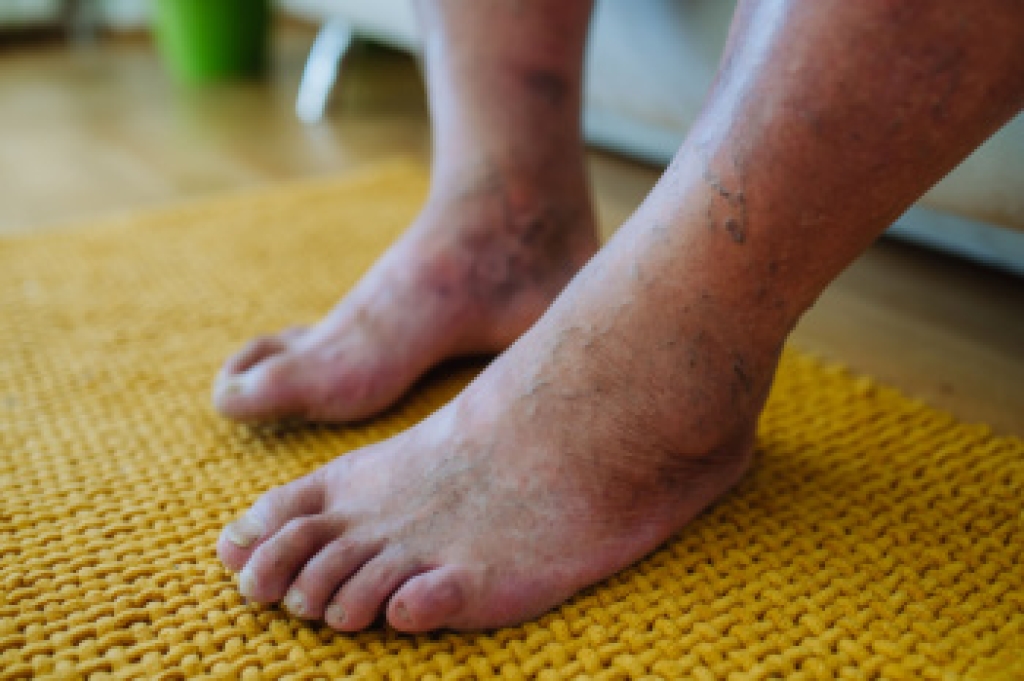
Diabetes can place the feet and lower legs at risk when nerve damage reduces feeling and poor circulation slows healing. A small cut, blister, or pressure spot can become a deep sore without causing much pain. Infection can then spread into tissue or bone, raising the risk of limb loss. Other warning signs include redness, swelling, and drainage. A change in foot shape or skin color also deserves prompt attention. Patients should not wait for pain before seeking care because reduced sensation can hide a serious problem.
Regular visits to a podiatrist are an important part of preventing these complications. A podiatrist can check blood flow, skin condition, and the ability to feel touch or temperature. The exam also identifies corns, calluses, and nail problems before they cause wounds. When a sore is present, the podiatrist can measure its depth and check for infection. Imaging can reveal bone damage or a hidden fracture. Treatment includes professional wound care, removal of damaged tissue, and pressure relief. Custom orthotics or special shoes can protect vulnerable areas. For severe problems, a podiatrist can coordinate advanced wound treatment or surgery with other medical specialists.
Early attention offers the best chance to protect the foot and lower leg. Regular examinations allow a podiatrist to monitor changes and adjust treatment before an injury becomes harder to heal. Patients should report new sores, warmth, or unusual odors promptly. They should also seek care for cracked skin, changes in nail color, or shoes that suddenly feel tight. A podiatrist can safely trim problem nails and treat thick calluses. Education about proper shoes and routine foot checks helps patients recognize concerns early. Working closely with a podiatrist can reduce infection, preserve mobility, and lower the risk of losing a limb. If you have foot complications from diabetes, it is suggested that you are under the care of a podiatrist who can help you to manage this serious condition.
Limb salvage can be an effective way in preventing the need for limb amputation. If you have diabetes, cancer, or any other condition that could lead to foot amputation if left unchecked, consult with Bessaliea Griffin, DPM from Footprint Podiatry. our doctor will assess your condition and provide you with quality foot and ankle treatment.
What Is Limb Salvage?
Limb salvage is the attempt of saving a limb, such as the foot from amputation. Podiatrists also try to make sure that there is enough function in the foot after the salvage that it is still usable. Diabetes is the number one cause of non-traumatic amputations in the United States. Those with diabetes experience poor blood circulation, which prevents proper healing of an ulcer. If the ulcer is left uncheck, it could become infected, which could result in the need for amputation.
However, there are other causes as well, such as cancer and traumatic injury. Links between higher mortality rates and amputation have been found. This translates into higher healthcare costs, and a reduced quality of life and mobility for amputees. Podiatrists have attempted to increase the prevalence of limb salvage in an attempt to solve these issues.
Diagnosis and Treatment
Limb salvage teams have grown in recent years that utilize a number of different treatments to save the infected limb. This includes podiatrists that specialize in wound care, rehabilitation, orthotics, and surgery. Through a combination of these methods, limb salvage has been found to be an effective treatment for infected limbs, and as an alternative to amputation. Podiatrists will first evaluate the potential for limb salvage and determine if the limb can be saved or must be amputated.
If you have any questions, please feel free to contact our office located in Smithfield, NC. We offer the newest diagnostic and treatment technologies for all your foot care needs.
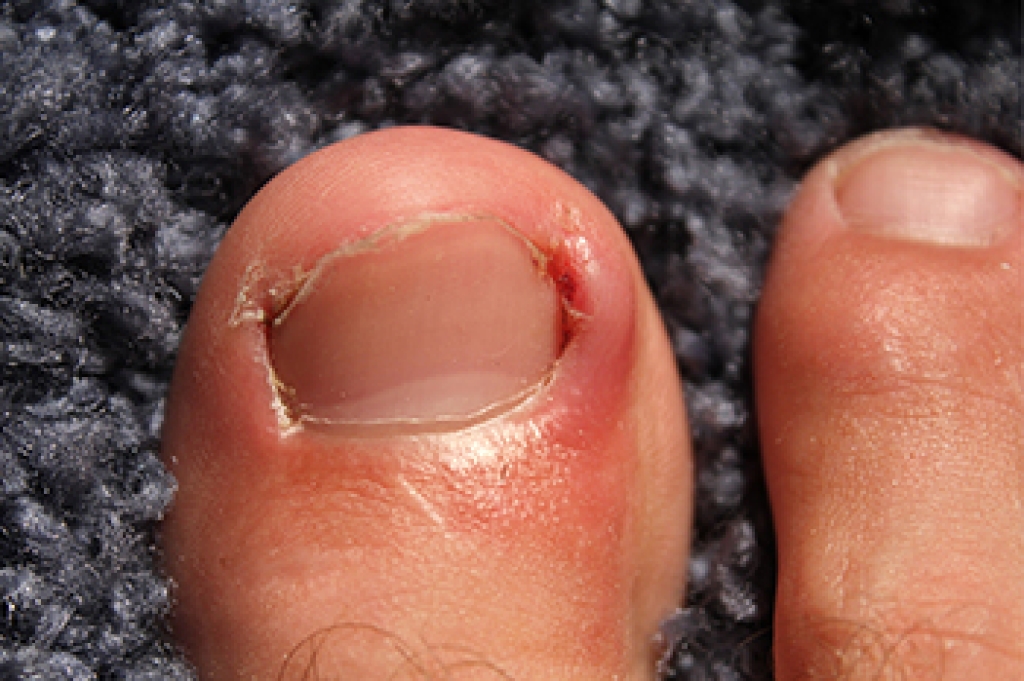
An ingrown toenail develops when the side of a nail presses into the skin. The affected toe can become painful, red, and swollen. Drainage can signal a more serious problem. Wearing tight shoes, curved nails, and improper trimming can increase pressure along the nail edge. A podiatrist examines the toe to determine how deeply the nail has entered the skin. The exam includes checking for infection and concerns that could affect healing. Patients with diabetes, poor blood flow, or reduced feeling should seek prompt professional care because small toe problems can become serious.
Treatment depends on pain, swelling, and skin damage. For a mild ingrown nail, a podiatrist can lift the nail edge away from the irritated skin. A splint or brace can hold the edge properly while the nail grows forward. The podiatrist can also trim the nail correctly and reduce thick areas that press against the toe. When infection is present, the foot doctor evaluates its severity and provides treatment. Professional care protects the skin, eases pressure, and lowers the risk of the problem becoming worse. The podiatrist can explain which shoe shapes provide enough room for the toes.
A painful or repeated ingrown toenail can require a minor procedure. After numbing the toe, the podiatrist removes the narrow section of nail that is cutting into the skin. In recurring cases, the nail root beneath that section is treated so the troublesome edge does not grow back. Removal of the nail is less common and is reserved for severe problems. Prevention includes trimming nails straight across, avoiding torn nail corners, and choosing properly fitting shoes. Regular podiatric checks are helpful for patients who have circulation problems or a reduced feeling in their feet. If you have an ingrown toenail, it is suggested that you schedule an appointment with a podiatrist for a diagnosis and appropriate treatment.
Toe pain can disrupt your daily activities. If you have any concerns, contact Bessaliea Griffin, DPM of Footprint Podiatry. our doctor can provide the care you need to keep you pain-free and on your feet.
What Causes Toe Pain?
Most severe toe pain is caused due to a sports injury, trauma from dropping something heavy on the toe, or bumping into something rigid. Other problems can develop over time for various reasons.
Toe pain can be caused by one or more ailments. The most common include:
Trauma
Sports injury
Wearing shoes that are too tight
Arthritis
Gout
Corns and calluses
Hammertoe
Bunions
Blisters
Ingrown toenails
Sprains
Fractures (broken bones)
Dislocations
When to See a Podiatrist
Severe pain
Persistent pain that lasts more than a week
Signs of infection
Continued swelling
Pain that prevents walking
Diagnosis
In many cases the cause of toe pain is obvious, but in others, a podiatrist may want to use more advanced methods to determine the problem. These can range from simple visual inspections and sensation tests to X-rays and MRI scans. Prior medical history, family medical history, and any recent physical traumatic events will all be taken into consideration for a proper diagnosis.
Treatment
Treatments for toe pain and injuries vary and may include shoe inserts, padding, taping, medicines, injections, and in some cases, surgery. If you believe that you have broken a toe, please see a podiatrist as soon as possible.
If you have any questions please contact our office located in Smithfield, NC. We offer the newest diagnostic and treatment technologies for all your foot and ankle needs.
Psoriatic arthritis is an inflammatory condition linked to psoriasis that can affect the joints in the feet and ankles. It causes pain, swelling, and stiffness that can make standing or walking uncomfortable. Some patients have swollen toes that create a sausage-like appearance. Others develop pain where a tendon or ligament attaches to a bone that frequently affects the heel or the bottom of the foot. Changes in foot shape can also develop, making it harder to find shoes that fit comfortably and provide proper support.
Psoriatic arthritis can also affect the toenails. Small dents in the nail surface or nails that lift away from the nail bed are signs that should not be ignored. These changes can appear along with painful joints or develop before joint symptoms become obvious. Swelling in the ankles, feet, or toes can limit movement and reduce balance while walking. Pain in the heel, sole, or toes can interfere with daily activities. Symptoms sometimes come and go, but repeated inflammation can damage joints and reduce normal foot function without proper care. Early attention is important because lasting joint damage can begin before severe pain develops.
A podiatrist plays an important role in diagnosing and managing psoriatic arthritis affecting the feet. The examination includes checking for joint swelling, changes in foot shape, and nail problems that can be linked to the condition. Imaging studies can show joint damage and help confirm the diagnosis. Treatment options include custom orthotics to improve foot support and reduce pressure on painful areas. A podiatrist also recommends shoes that provide proper support and enough room for swollen or misshapen joints. Regular follow-up visits help track changes in the feet and ankles and allow treatment to be adjusted as symptoms change. If you have symptoms of psoriatic arthritis in the feet, it is suggested that you schedule an appointment with a podiatrist for effective relief and management tips.
Arthritis can be a difficult condition to live with. If you are seeking treatment, contact Bessaliea Griffin, DPM from Footprint Podiatry. our doctor can provide the care you need to keep you pain-free and on your feet.
Arthritic Foot Care
Arthritis is a term that is commonly used to describe joint pain. The condition itself can occur to anyone of any age, race, or gender, and there are over 100 types of it. Nevertheless, arthritis is more commonly found in women compared to men, and it is also more prevalent in those who are overweight. The causes of arthritis vary depending on which type of arthritis you have. Osteoarthritis for example, is often caused by injury, while rheumatoid arthritis is caused by a misdirected immune system.
Symptoms
Swelling
Pain
Stiffness
Decreased Range of Motion
Arthritic symptoms range in severity, and they may come and go. Some symptoms stay the same for several years but could potentially get worse with time. Severe cases of arthritis can prevent its sufferers from performing daily activities and make walking difficult.
Risk Factors
Occupation – Occupations requiring repetitive knee movements have been linked to osteoarthritis
Obesity – Excess weight can contribute to osteoarthritis development
Infection – Microbial agents can infect the joints and trigger arthritis
Joint Injuries – Damage to joints may lead to osteoarthritis
Age – Risk increases with age
Gender –Most types are more common in women
Genetics – Arthritis can be hereditary
If you suspect your arthritis is affecting your feet, it is crucial that you see a podiatrist immediately. Your doctor will be able to address your specific case and help you decide which treatment method is best for you.
If you have any questions please feel free to contact our office located in Smithfield, NC. We offer the newest diagnostic tools and technology to treat your foot and ankle needs.