Top Podiatry Notice Banner

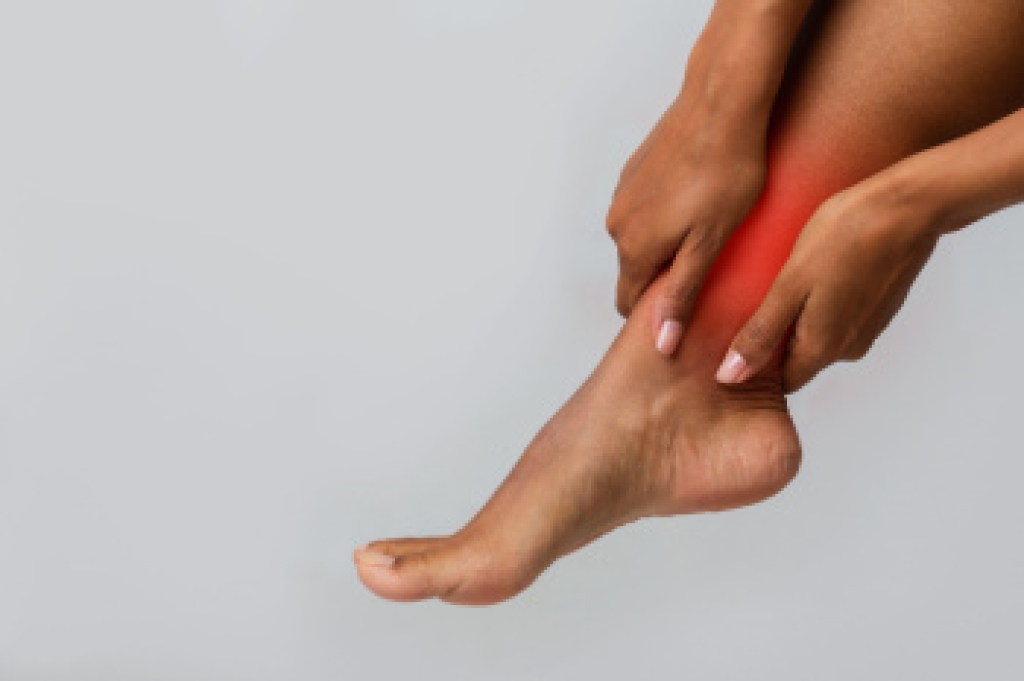
Back of the Heel Pain May Signal Achilles Tendonitis

Achilles tendonitis develops when the strong tendon that connects the calf muscles to the heel becomes irritated from repeated strain. This tendon plays an important role in walking, running, and rising onto the toes. Pain usually begins at the back of the heel or ankle and can become more noticeable after resting or while taking part in physical activity. Many patients also experience stiffness when getting out of bed in the morning. The discomfort sometimes eases after moving around, but returns as activity continues. Swelling and tenderness along the tendon are also common. Some people notice difficulty climbing stairs or pushing off the ground while walking. Ignoring these warning signs can allow the condition to become more severe and interfere with daily movement.

Repeated stress on the tendon is the leading cause of Achilles tendonitis. A sudden increase in exercise, frequent running, or sports that involve jumping can place extra strain on the tendon. Tight calf muscles and flat feet can also change the way the foot moves, creating added pressure. Wearing shoes that lack proper support can make the problem worse. Risk increases with age, and is also higher in people who spend long hours on their feet. Certain health conditions, like arthritis, excess body weight, and high blood pressure, are linked with a greater chance of developing Achilles tendonitis. 

A podiatrist can diagnose Achilles tendonitis through a careful medical history and a physical examination. The affected tendon is checked for swelling, tenderness, and range of motion. Imaging tests, like X-rays or an MRI scan, can help rule out other conditions or confirm damage when necessary. After making a diagnosis, a podiatrist can develop a treatment plan that reduces strain on the tendon and improves foot function. Treatment options also include custom orthotics, changes in shoe selection, or other advanced care based on the severity. If you are experiencing Achilles tendon pain, it is suggested that you schedule an appointment with a podiatrist for a diagnosis and appropriate treatment.

Achilles tendon injuries need immediate attention to avoid future complications. If you have any concerns, contact Bessaliea Griffin, DPM of Footprint Podiatry. our doctor can provide the care you need to keep you pain-free and on your feet.

What Is the Achilles Tendon?

The Achilles tendon is a tendon that connects the lower leg muscles and calf to the heel of the foot. It is the strongest tendon in the human body and is essential for making movement possible. Because this tendon is such an integral part of the body, any injuries to it can create immense difficulties and should immediately be presented to a doctor.

What Are the Symptoms of an Achilles Tendon Injury?

There are various types of injuries that can affect the Achilles tendon. The two most common injuries are Achilles tendinitis and ruptures of the tendon.

Achilles Tendinitis Symptoms

  • Inflammation
  • Dull to severe pain
  • Increased blood flow to the tendon
  • Thickening of the tendon

Rupture Symptoms

  • Extreme pain and swelling in the foot
  • Total immobility

Treatment and Prevention

Achilles tendon injuries are diagnosed by a thorough physical evaluation, which can include an MRI. Treatment involves rest, physical therapy, and in some cases, surgery. However, various preventative measures can be taken to avoid these injuries, such as:

  • Thorough stretching of the tendon before and after exercise
  • Strengthening exercises like calf raises, squats, leg curls, leg extensions, leg raises, lunges, and leg presses

If you have any questions please feel free to contact our office located in Smithfield, NC . We offer the newest diagnostic tools and technology to treat your foot and ankle needs.


Read more about What are Achilles Tendon Injuries

Choosing Proper Shoes for Your Toddler

A toddler’s shoe is designed to protect the foot while allowing natural growth and flexibility. Selecting the right shoes is an important step in supporting early foot development and safe movement. During the early walking stages, the foot is still forming, with soft bones and developing muscles. Because of this, there is no rush to introduce shoes before a child begins walking outdoors. Barefoot movement indoors helps strengthen muscles and improve balance, making it a beneficial part of early development.

Symptoms of poorly fitted toddler shoes can include discomfort, frequent tripping, redness, or visible irritation on the skin. Some children may resist wearing shoes or attempt to remove them, which can signal improper fit. Tight shoes may restrict natural movement, while loose shoes can lead to instability. Soles that do not provide proper traction may increase the risk of falls. These signs highlight the importance of selecting shoes that match both the size and developmental needs of a growing child.


Risk factors for foot issues in toddlers include wearing shoes that are too small, too stiff, or made from non-breathable materials. Shoes with rigid soles can limit movement and affect walking patterns. Selecting lightweight shoes with flexible soles helps support natural motion and reduces strain. Soft upper leathers or breathable fabrics allow the foot to move comfortably while preventing irritation. Soles that help prevent tripping, such as those with a slight grip and flexibility, are ideal for early walkers.


Regular foot checks are essential as children grow quickly. It is recommended that feet be professionally checked every four to six weeks up to three years old, every six to eight weeks from three to four years, and every 10 to 12 weeks after that stage. Proper sizing ensures that shoes continue to support development without causing harm. Choosing the right first shoes can make a lasting impact on comfort and mobility. If your baby has foot pain from wearing the wrong shoes, it is suggested you consult a podiatrist for effective relief and guidance tips.

Making sure that your children maintain good foot health is very important as they grow. If you have any questions, contact Bessaliea Griffin, DPM of Footprint Podiatry. our doctor can provide the care you need to keep you pain-free and on your feet.

Keeping Children's Feet Healthy

Having healthy feet during childhood can help prevent medical problems later in life, namely in the back and legs. As children grow, their feet require different types of care. Here are some things to consider...

Although babies do not walk yet, it is still very important to take care of their feet.

Avoid putting tight shoes or socks on his or her feet.

Allow the baby to stretch and kick his or her feet to feel comfortable.

As a toddler, kids are now on the move and begin to develop differently. At this age, toddlers are getting a feel for walking, so don’t be alarmed if your toddler is unsteady or ‘walks funny’. 

As your child gets older, it is important to teach them how to take care of their feet.

Show them proper hygiene to prevent infections such as fungus.

Be watchful for any pain or injury.

Have all injuries checked by a doctor as soon as possible.

Comfortable, protective shoes should always be worn, especially at play.

If you have any questions, please feel free to contact our office located in Smithfield, NC . We offer the newest diagnostic and treatment technologies for all your foot care needs.

Read more about What to Do to Keep Your Child’s Feet Healthy

Stress Fractures in the Foot

Stress fractures in the foot are small cracks in a bone that often develop from repeated stress rather than a sudden injury. They are common in athletes, runners, and people who increase activity too quickly. The bones of the foot carry body weight with every step, so repeated pressure can slowly cause this type of damage. Pain often begins during activity and may recede with rest at first. Eventually, the pain can become more constant and may affect walking. Swelling or tenderness in one area of the foot may also occur. Because stress fractures can be hard to see early, professional evaluation is important when foot pain continues.


A podiatrist can examine the painful area and look for signs of a stress fracture. The evaluation may include questions about activity level, recent changes in training, and any past foot problems. Imaging may be needed because some stress fractures do not show clearly right away. A podiatrist can also check foot structure and walking pattern to see whether extra pressure is being placed on certain bones. Treatment depends on the location and severity of the fracture. The goal is to protect the bone while it heals and reduce the chance of the injury returning.


Prompt podiatry care can help prevent a small stress fracture from becoming a more serious foot injury. Without proper care, continued pressure may slow healing or lead to a complete break in the bone. A podiatrist can create a treatment plan, monitor recovery, and guide a safe return to activity when healing is complete. Professional foot fracture treatment also helps address the cause of the injury, which may include training stress or uneven pressure on the foot. If you have ongoing foot pain, swelling, or tenderness, it is suggested that you consult a podiatrist for an evaluation.


Stress fractures occur when there is a tiny crack within a bone. To learn more, contact Bessaliea Griffin, DPM from Footprint Podiatry. our doctor can provide the care you need to keep you pain free and on your feet.

How Are They Caused?

Stress fractures are the result of repetitive force being placed on the bone. Since the lower leg and feet often carry most of the body’s weight, stress fractures are likely to occur in these areas. If you rush into a new exercise, you are more likely to develop a stress fracture since you are starting too much, too soon.  Pain resulting from stress fractures may go unnoticed at first, however it may start to worsen over time.

Risk Factors

  • Gender – They are more commonly found in women compared to men.
  • Foot Problems – People with unusual arches in their feet are more likely to develop stress fractures.
  • Certain Sports – Dancers, gymnasts, tennis players, runners, and basketball players are more likely to develop stress fractures.
  • Lack of Nutrients – A lack of vitamin D and calcium may weaken the bones and make you more prone to stress fractures
  • Weak Bones – Osteoporosis can weaken the bones therefore resulting in stress fractures

Stress fractures do not always heal properly, so it is important that you seek help from a podiatrist if you suspect you may have one. Ignoring your stress fracture may cause it to worsen, and you may develop chronic pain as well as additional fractures.

If you have any questions please contact our office located in Smithfield, NC . We offer the newest diagnostic and treatment technologies for all your foot and ankle needs.

Read more about Dealing with Stress Fractures of the Foot and Ankle
scroll to top