Top Podiatry Notice Banner

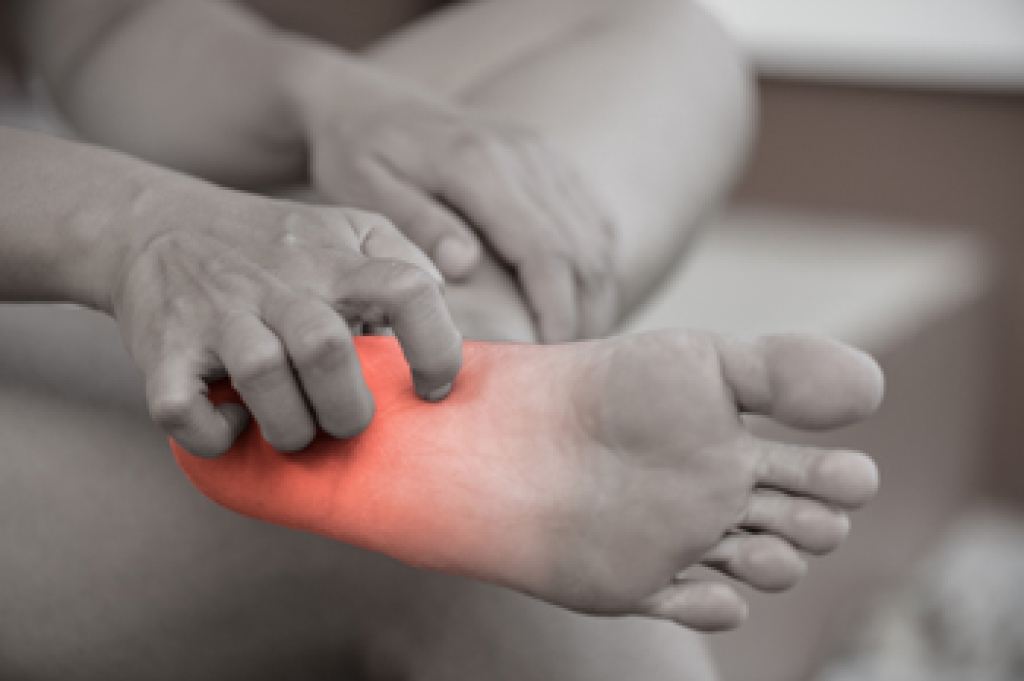
Nerve Trouble in the Feet

Peripheral neuropathy is a condition in which nerves in the feet do not send signals normally, often causing burning, tingling, numbness, or sharp pain. It can develop from diabetes, poor circulation, nerve compression, or other medical conditions. Symptoms may begin gradually and worsen over time, sometimes affecting balance and increasing the risk of unnoticed injuries or skin breakdown. A podiatrist can evaluate nerve function, assess circulation, examine the skin and foot structure, and identify possible causes of discomfort. Treatment may include pressure relief strategies, custom orthotics, footwear recommendations, and management plans aimed at reducing symptoms and protecting foot health. Early care is important because loss of sensation can allow small problems to become serious. If you have signs of neuropathy, it is suggested that you visit a podiatrist for an evaluation and appropriate relief and management solutions.

Neuropathy

Neuropathy can be a potentially serious condition, especially if it is left undiagnosed. If you have any concerns that you may be experiencing nerve loss in your feet, consult with Bessaliea Griffin, DPM from Footprint Podiatry. our doctor will assess your condition and provide you with quality foot and ankle treatment for neuropathy.

What Is Neuropathy?

Neuropathy is a condition that leads to damage to the nerves in the body. Peripheral neuropathy, or neuropathy that affects your peripheral nervous system, usually occurs in the feet. Neuropathy can be triggered by a number of different causes. Such causes include diabetes, infections, cancers, disorders, and toxic substances.

Symptoms of Neuropathy Include:

  • Numbness
  • Sensation loss
  • Prickling and tingling sensations
  • Throbbing, freezing, burning pains
  • Muscle weakness

Those with diabetes are at serious risk due to being unable to feel an ulcer on their feet. Diabetics usually also suffer from poor blood circulation. This can lead to the wound not healing, infections occurring, and the limb may have to be amputated.

Treatment

To treat neuropathy in the foot, podiatrists will first diagnose the cause of the neuropathy. Figuring out the underlying cause of the neuropathy will allow the podiatrist to prescribe the best treatment, whether it be caused by diabetes, toxic substance exposure, infection, etc. If the nerve has not died, then it’s possible that sensation may be able to return to the foot.

Pain medication may be issued for pain. Electrical nerve stimulation can be used to stimulate nerves. If the neuropathy is caused from pressure on the nerves, then surgery may be necessary.

If you have any questions, please feel free to contact our office located in Smithfield, NC . We offer the newest diagnostic and treatment technologies for all your foot care needs.


Read more about Neuropathy

Get Proper Treatment for Ankle Injuries

If you're experiencing ankle pain, you may be suffering from an ankle injury. Sprains, fractures, Achilles tendonitis, and Achilles tendon ruptures are just some examples of potential ankle injuries. Don't wait for care for an ankle injury, as it may worsen over time. We can help!

When Baby Has an Ingrown Toenail

Babies can develop ingrown toenails when the edge of the nail grows into the surrounding skin. This problem usually affects the big toe and can cause redness, swelling, and tenderness. Your baby may cry when the toe is touched. Older children may limp or avoid wearing shoes because of pain.  wearing tight socks, fast-growing nails, and trimming nails too short can increase the risk of an ingrown toenail. A podiatrist can examine the toe and check for signs of infection. Symptoms include warmth, pus, or spreading redness. Treatment includes carefully lifting the nail away from the skin and reducing pressure on the toe. The podiatrist may also recommend shoes or socks that fit more comfortably. Information on nail trimming may be given to help prevent recurrence. Prompt treatment helps relieve discomfort and lowers the chance of infection. If your child has signs of an ingrown toenail, it is suggested that you promptly schedule an appointment with a podiatrist for effective treatment solutions.

Ingrown toenails can become painful if they are not treated properly. For more information about ingrown toenails, contact Bessaliea Griffin, DPM of Footprint Podiatry. our doctor can provide the care you need to keep you pain-free and on your feet.

Ingrown Toenails

Ingrown toenails occur when a toenail grows sideways into the bed of the nail, causing pain, swelling, and possibly infection.

Causes

  • Bacterial infections
  • Improper nail cutting such as cutting it too short or not straight across
  • Trauma to the toe, such as stubbing, which causes the nail to grow back irregularly
  • Ill-fitting shoes that bunch the toes too close together
  • Genetic predisposition

Prevention

Wearing proper fitting shoes and using proper cutting techniques will also help decrease your risk of developing ingrown toenails.

Treatment

Ingrown toenails are a very treatable foot condition. In minor cases, soaking the affected area in salt or antibacterial soaps will not only help with the ingrown nail itself, but also help prevent any infections from occurring. In more severe cases, surgery is an option. In either case, speaking to your podiatrist about this condition will help you get a better understanding of specific treatment options that are right for you.

If you have any questions, please feel free to contact our office located in Smithfield, NC . We offer the newest diagnostic and treatment technologies for all your foot care needs.

Read more about Ingrown Toenail Care

Importance of Proper Shoes During Pregnancy

Pregnancy can place extra stress on the feet and ankles as body weight increases and balance changes. Many pregnant women notice swelling, tired feet, and pain in the arches or heels. Wearing the proper shoes during pregnancy can help reduce discomfort and improve stability while walking. Shoes with good arch support, soft cushioning, and slip-resistant soles help protect the feet from strain. A wide toe box is also important because it gives the toes more room and helps prevent pressure on the nails and joints. Slip-on shoes or shoes with adjustable straps can make dressing easier later in pregnancy. High heels and very flat shoes should be avoided because they can place added stress on the feet and increase the risk of falls. A podiatrist can recommend supportive footwear and custom orthotics to improve comfort and foot function throughout pregnancy. If you have foot pain during pregnancy, it is suggested that you make an appointment with a podiatrist for treatment.

Pregnant women with swollen feet can be treated with a variety of different methods that are readily available. For more information about other cures for swollen feet during pregnancy, consult with Bessaliea Griffin, DPM from Footprint Podiatry. our doctor will attend to all of your foot and ankle needs.

What Foot Problems Can Arise During Pregnancy?

One problem that can occur is overpronation, which occurs when the arch of the foot flattens and tends to roll inward.  This can cause pain and discomfort in your heels while you’re walking or even just standing up, trying to support your baby.  

Another problem is edema, or swelling in the extremities. This often affects the feet during pregnancy but tends to occur in the later stages. 

How Can I Keep My Feet Healthy During Pregnancy?

  • Wearing orthotics can provide extra support for the feet and help distribute weight evenly
  • Minimize the amount of time spent walking barefoot
  • Wear shoes with good arch support
  • Wear shoes that allow for good circulation to the feet
  • Elevate feet if you experience swelling
  • Massage your feet
  • Get regular, light exercise, such as walking, to promote blood circulation to the feet

If you have any questions, please feel free to contact our office located in Smithfield, NC . We offer the newest diagnostic and treatment technologies for all your foot care needs.

Read more about Pregnancy and Foot Health

Gout Pain in the Foot

Gout is a form of inflammatory arthritis that often affects the foot, especially the joint at the base of the big toe. It develops when uric acid builds up in the body and forms sharp crystals within the joint. This can lead to sudden and severe pain, along with redness, swelling, and stiffness. Many people notice that attacks begin quickly, often at night, and can make even light pressure feel unbearable. Risk factors include diet, genetics, certain medications, and underlying health conditions. During gout flare-ups, the joint may appear swollen and warm, and movement can become limited. A podiatrist can diagnose gout through examination and testing, then provide treatment to reduce inflammation and protect joint health. Gout can be painful and may cause difficulty in completing daily activities. If this applies to you, it is suggested that you seek care from a podiatrist who can help you to manage this painful condition. 

Gout is a foot condition that requires certain treatment and care. If you are seeking treatment, contact Bessaliea Griffin, DPM from Footprint Podiatry. our doctor will treat your foot and ankle needs.

What Is Gout?

Gout is a type of arthritis caused by a buildup of uric acid in the bloodstream. It often develops in the foot, especially the big toe area, although it can manifest in other parts of the body as well. Gout can make walking and standing very painful and is especially common in diabetics and the obese.

People typically get gout because of a poor diet. Genetic predisposition is also a factor. The children of parents who have had gout frequently have a chance of developing it themselves.

Gout can easily be identified by redness and inflammation of the big toe and the surrounding areas of the foot. Other symptoms include extreme fatigue, joint pain, and running high fevers. Sometimes corticosteroid drugs can be prescribed to treat gout, but the best way to combat this disease is to get more exercise and eat a better diet.

If you have any questions, please feel free to contact our office located in Smithfield, NC . We offer the newest diagnostic and treatment technologies for all your foot care needs.

Read more about Everything You Need to Know About Gout
scroll to top